
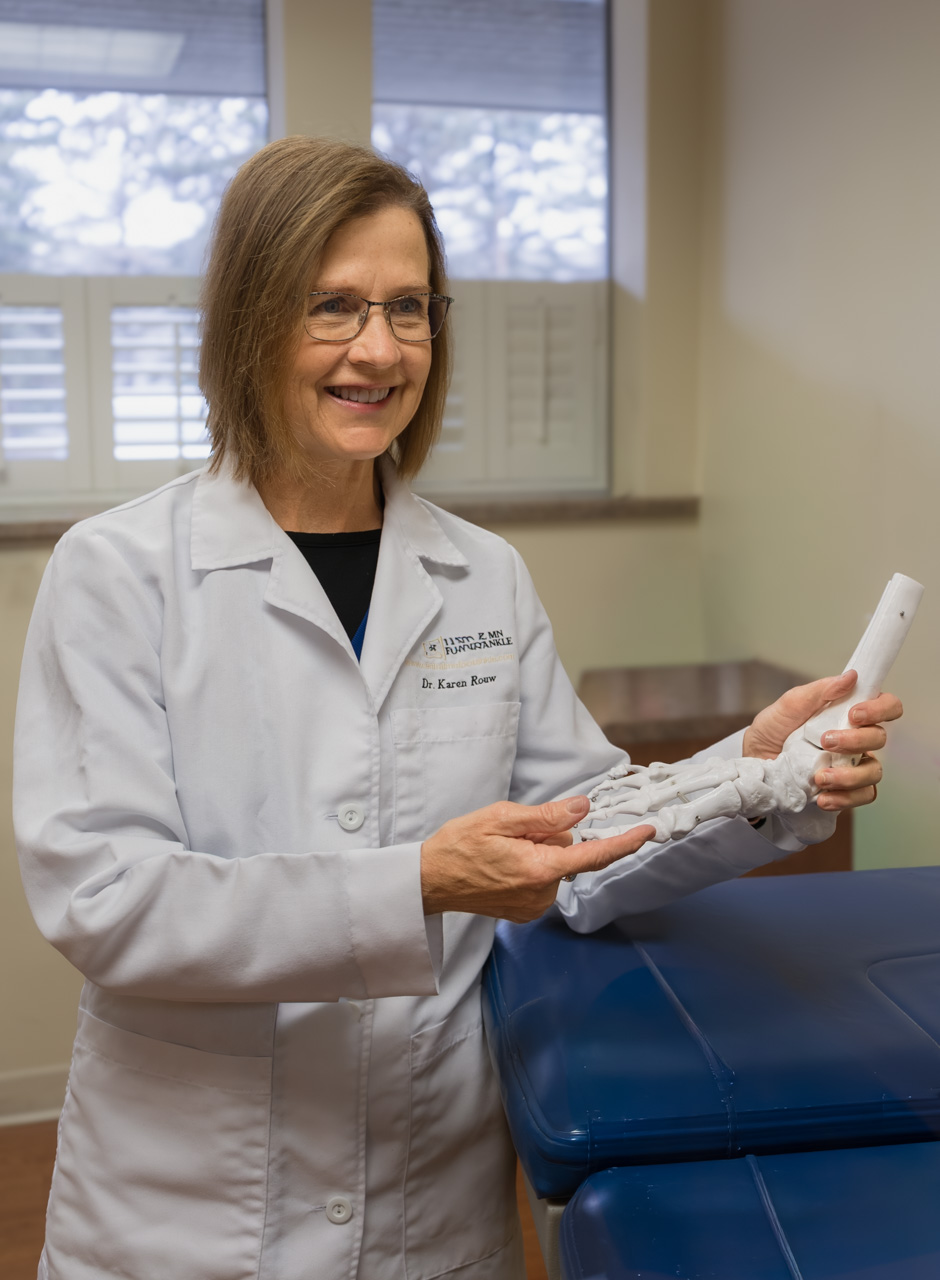
There are a variety of reasons why you may need to see a foot doctor. The musculoskeletal system of the feet, ankles, and lower legs involves many different parts that must work together to create smooth and pain-free movement. If any of these parts are not functioning properly, the entire system can suffer.
Luckily, we are highly skilled in treating a variety of conditions and concerns. Whether you are experiencing slight discomfort or severe pain, we can provide care that helps you return to the lifestyle you enjoy.
These are just some of the conditions, treatments, and services available at our podiatric office. Please contact us if you have any questions.
Custom Orthotics
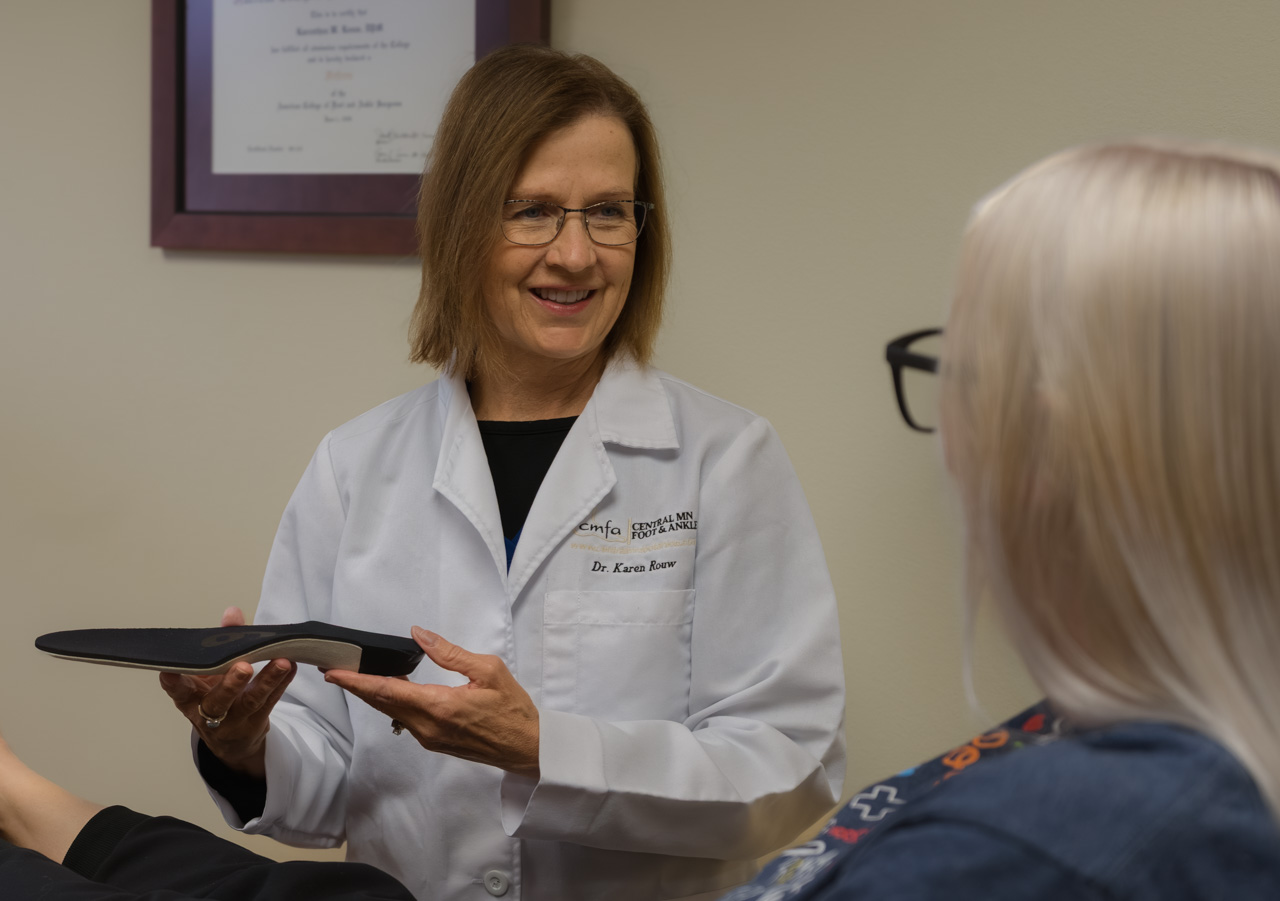
Custom foot orthotics are designed to align the foot and ankle into the most anatomically efficient position. They look similar to insoles, but they are biomedical appliances custom-made to correct your specific foot imbalance.
The plastic body of the custom orthotic helps realign the foot while you walk. We understand that everyone is different, which is why custom foot orthotics are created specifically for your individual needs.
Surgical Corrections of Foot Disorders
In most cases, invasive methods are not necessary to correct foot disorders. However, surgery may be recommended for more advanced or severe conditions.
The need for surgery will depend on the severity of the condition, the amount of pain the patient is experiencing, and the patient’s previous response to conservative treatments.

Sports Medicine
We know how much your foot health can affect your athletic performance, and it is our priority to help get you off the sidelines and back in the game. Whether you are dealing with a recurring injury or an accident during athletic activity, we are here to support you through every step of your recovery.
Below are some of the most common sports and sports-related injuries we see in our office:
- Martial Arts and Kickboxing: Plantar fasciitis, Achilles tendonitis, sesamoiditis, and ankle sprains. Proper stretching is vital to injury prevention, including warming up for at least 15 minutes before beginning exercise.
- Aerobics: With 26 bones in the foot and impact forces that can reach several times your body weight, proper footwear is essential. Shoes should provide adequate cushioning, shock absorption, and stability.
- Team Sports: Baseball, basketball, soccer, football, field hockey, and lacrosse can frequently lead to foot and ankle injuries. Artificial surfaces, improper footwear, and inadequate stretching can increase the risk of injury.
Our customized treatment plans allow us to individualize your experience and help you achieve your specific goals. We aim to treat your symptoms while addressing the underlying cause of your pain. We will also help you establish healthy practices to reduce the risk of future injuries.
Always wear sport-appropriate shoes and properly warm up and stretch before participating in sports.

Wound Care
Ulcers on the foot may not always cause pain, but they are serious conditions that should be evaluated by a medical professional. Symptoms of a foot ulcer may include drainage, redness, swelling, or inflamed tissue.
To properly diagnose the condition and develop an appropriate treatment plan, digital X-rays or additional diagnostic testing may be recommended.
Digital X-Rays
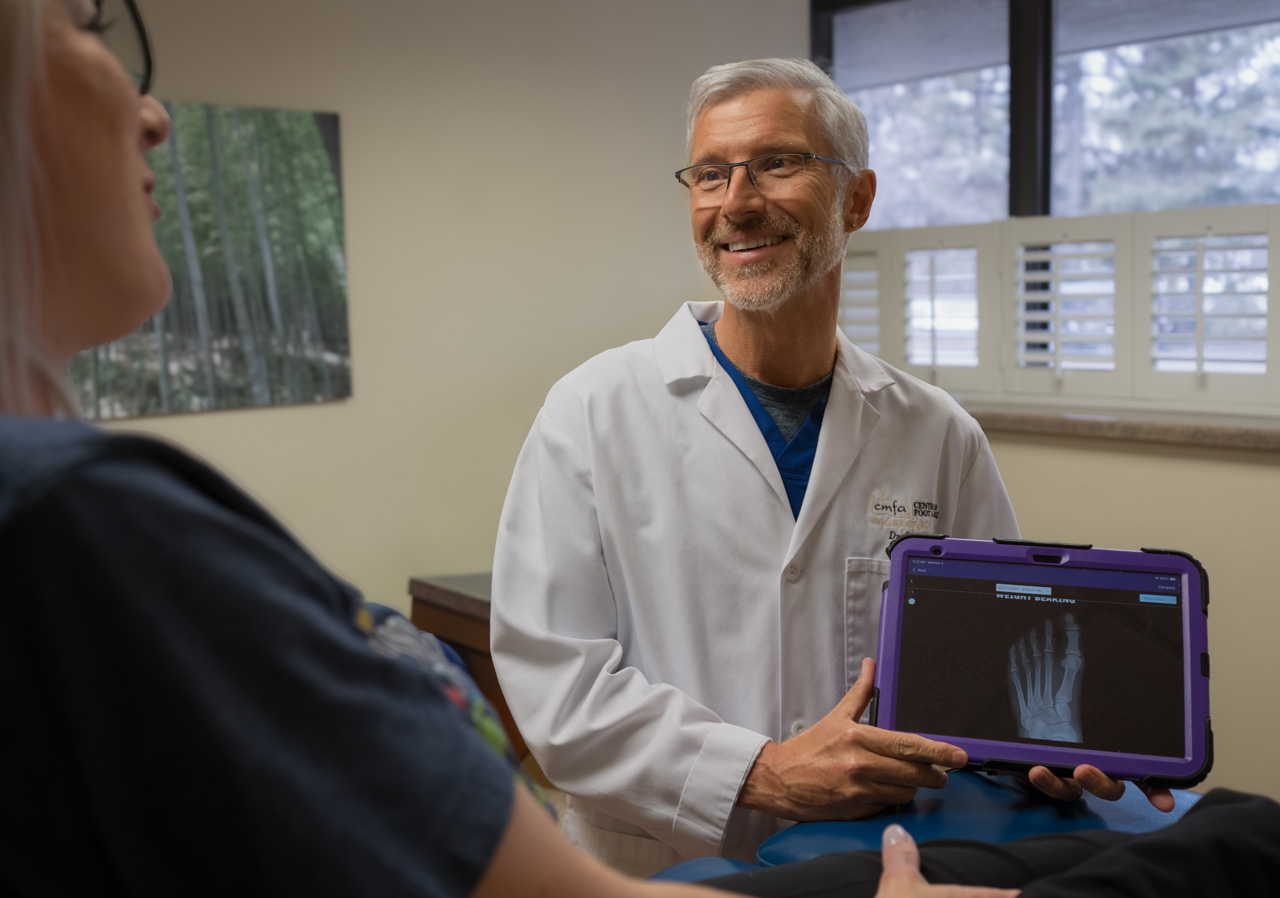
At Central Minnesota Foot and Ankle, we value your time and are proud to offer our patients in-house, state-of-the-art digital radiographs.
We understand that proper treatment begins with an accurate diagnosis. Our digital X-ray service enables us to identify and confirm bone and soft-tissue injuries that may be difficult to diagnose through a physical examination alone.
Unlike traditional X-rays that use film, digital X-rays expose patients to less radiation and allow our doctors to review results within minutes. With this technology, we can save you time and begin developing a treatment plan tailored to your needs.
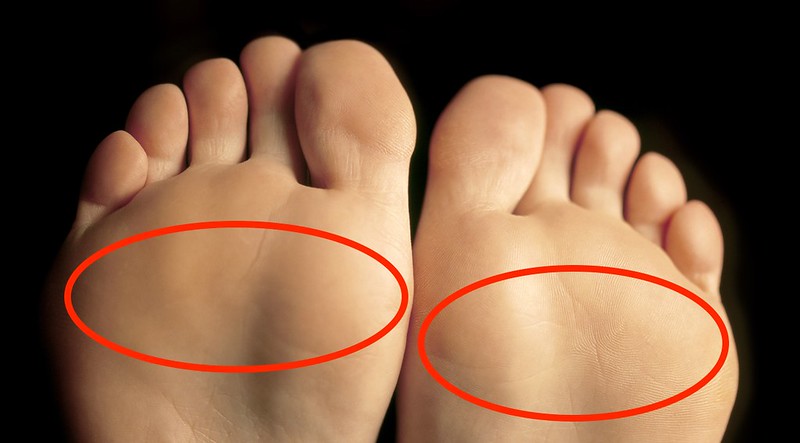
Metatarsalgia
Metatarsalgia is inflammation that causes sharp, aching, or burning pain in the ball of the foot, directly behind the toes. It is commonly triggered by high-impact activities, tight or unsupportive footwear, and anatomical factors such as high arches.
The discomfort may affect a small area beneath one or two toes or extend across the entire width of the forefoot.
Causes of Metatarsalgia
Metatarsalgia is usually caused by excessive pressure, repetitive strain, or poor foot mechanics. Common contributing factors include:
- High-Impact Activities: Running, jumping, and other repetitive movements can place intense pressure on the forefoot.
- Improper Footwear: Narrow toe-box shoes, unsupportive shoes, and high heels can alter weight distribution across the foot.
- Structural Issues: High arches, long metatarsal bones, hammertoes, and other structural differences can shift weight abnormally.
- Additional Factors: Excess body weight, tight calf muscles, arthritis, and conditions such as Morton’s neuroma may contribute to symptoms.
Treatment may include rest, supportive footwear, custom orthotics, activity modification, and addressing the underlying cause of the excessive pressure.

Lapiplasty Bunion Surgery
Bunions are painful bone deformities that affect the big toe. When the toe becomes misaligned, the joint at its base can grow larger and create a noticeable protrusion.
This bump may cause persistent pain as it rubs against shoes, further irritating the joint and surrounding tissue.
Traditional bunion surgery may not fully address the three-dimensional nature of the deformity. The doctors at Central Minnesota Foot & Ankle are certified Lapiplasty® Bunion Surgery providers and use this advanced procedure to precisely correct the 3D alignment of the metatarsal bone.
The Lapiplasty® procedure may allow eligible patients to begin walking in a protective boot within days of surgery.
Contact us today to find out whether you may be a candidate for Lapiplasty® Bunion Surgery.

Haglund’s Deformity
Haglund’s deformity is a common foot condition in which a bony bump forms at the back of the heel, near the area where the Achilles tendon attaches to the heel bone.
The bony prominence can cause significant discomfort when walking or wearing shoes because it repeatedly rubs against the back of the shoe.
This friction can irritate the soft tissue surrounding the heel and may contribute to bursitis. Bursitis occurs when the bursa, a small fluid-filled sac located between the Achilles tendon and the heel bone, becomes inflamed.
Sesamoiditis
Sesamoiditis is an overuse injury involving inflammation of the two small sesamoid bones located beneath the big toe joint and the tendons surrounding them.
The condition commonly affects runners, dancers, athletes, and people who spend significant amounts of time standing or walking. It can cause localized pain, swelling, tenderness, and difficulty bending the big toe.
Understanding the Sesamoid Bones
Unlike most bones, which connect to one another at joints, the sesamoid bones are embedded directly within tendons. They function like small pulleys, helping the tendons move smoothly and assisting with shock absorption when you stand, walk, run, or push off with the big toe.
Common Symptoms
- Pain in the ball of the foot directly beneath the big toe joint.
- A dull or aching pain that gradually becomes more noticeable.
- Pain or difficulty when bending or straightening the big toe.
- Swelling, tenderness, or sensitivity beneath the big toe joint.
Causes of Sesamoiditis
Repetitive pressure on the forefoot is the primary cause of sesamoiditis. Contributing activities and factors may include:
- Frequent running or jumping.
- Ballet and other forms of dance.
- Wearing high heels or unsupportive footwear.
- Having high arches.
- Spending long periods standing or walking on hard surfaces.
Early evaluation can help prevent the condition from worsening and reduce the likelihood of a more serious injury to the sesamoid bones.
Brachymetatarsia
Brachymetatarsia is a condition in which one or more of the long bones of the foot, known as the metatarsals, are abnormally short. This causes the attached toe to appear shorter, recessed, elevated, or positioned behind the surrounding toes.
The condition most frequently affects the fourth toe and is significantly more common in women.
Causes of Brachymetatarsia
Brachymetatarsia occurs when a growth plate in the metatarsal bone closes prematurely during childhood. Possible causes include:
- Congenital or inherited genetic factors.
- Previous trauma or injury to the growth plate.
- Underlying genetic or developmental conditions.
Common Symptoms
For some patients, brachymetatarsia is primarily a cosmetic concern. However, the shortened bone may disrupt normal weight distribution across the foot and cause:
- Pain in the ball of the foot.
- Difficulty finding comfortable footwear.
- Painful calluses beneath the foot or around the affected toe.
- Pressure or irritation from surrounding toes.
- Reduced confidence when wearing open-toed shoes.
When more than one metatarsal is affected, the condition may be referred to as brachymetapody. Treatment depends on the severity of the condition, the symptoms present, and the patient’s individual goals.
Hallux Rigidus
Hallux rigidus is a form of degenerative arthritis that affects the metatarsophalangeal joint, or MTP joint, at the base of the big toe.
As the cartilage within the joint wears down, the toe can become painful and stiff. Over time, patients may experience a significant reduction in their ability to bend the big toe upward or downward.
Common Symptoms of Hallux Rigidus
- Pain and stiffness in the big toe, particularly when walking, crouching, climbing stairs, or pushing off the ground.
- A bony bump or bone spur on top of the big toe joint.
- Pain or irritation caused by shoes rubbing against the bony prominence.
- Swelling and inflammation around the affected joint.
- A noticeable loss of upward or downward movement in the big toe.
- Changes in the way you walk to avoid placing pressure on the painful joint.
Because hallux rigidus is a progressive condition, symptoms may become more severe without appropriate management. Treatment options depend on the degree of arthritis and may include footwear modifications, custom orthotics, anti-inflammatory care, injections, or surgery.
Tarsal Tunnel Syndrome
Tarsal tunnel syndrome occurs when the posterior tibial nerve becomes pinched or compressed as it passes through the tarsal tunnel, a narrow space located along the inside of the ankle.
Compression of this nerve can cause pain, numbness, tingling, or burning sensations in the ankle, heel, arch, and sole of the foot.
Causes of Tarsal Tunnel Syndrome
The nerve may become compressed by anything that narrows the tarsal tunnel or places pressure on the surrounding tissues. Common causes include:
- Foot Anatomy: Flat feet, high arches, or overpronation can stretch or place additional pressure on the posterior tibial nerve.
- Injuries: Swelling caused by an ankle sprain, fracture, or dislocation can compress the nerve.
- Masses Within the Tunnel: Ganglion cysts, bone spurs, varicose veins, and other growths can occupy space and press against the nerve.
- Systemic Conditions: Diabetes, arthritis, thyroid disorders, and other medical conditions may cause inflammation, fluid retention, or nerve irritation.
Symptoms can sometimes worsen after prolonged standing, walking, or physical activity. Identifying and treating the source of the nerve compression is essential for relieving symptoms and preventing long-term nerve damage.
Laser Pain Management
Laser therapy for pain management, also known as photobiomodulation, is a non-invasive treatment that uses focused light energy to penetrate the tissues of the body.
The light interacts with cells to support energy production, improve local circulation, decrease nerve sensitivity, and reduce inflammation. Laser therapy may be used as part of a treatment plan for both acute injuries and chronic conditions.
Common Uses for Laser Therapy
Laser pain management may be recommended for conditions such as:
- Foot and ankle pain.
- Arthritis and joint inflammation.
- Tendonitis and soft-tissue injuries.
- Sports injuries.
- Muscle pain and inflammation.
- Neuropathy and certain types of nerve pain.
- Acute and chronic pain conditions.
Types of Therapeutic Lasers
- Low-Level Laser Therapy or Cold Laser: Uses lower levels of light energy to support healing in more superficial tissues without generating significant heat.
- High-Intensity or Class IV Laser Therapy: Uses higher-powered light energy to reach deeper muscles, joints, tendons, and nerves.
Laser therapy does not require incisions or injections and generally involves little to no recovery time. The number and frequency of treatments will depend on the condition being treated and the patient’s response to care.